
Cast Iron Pipe Restoration
Restore Old Cast Iron Without Full Replacement
Cast Iron Pipe Restoration in Denver for homes with corroded pipes, recurring backups, and reduced drain capacity
Our Drain and Sewer Company, LLC restores cast iron drain and sewer pipes that have deteriorated due to age, corrosion, and scale buildup. Instead of replacing entire sections, we use a combination of mechanical cleaning, scale removal, and camera-guided assessment to bring old pipes back to functional condition. You might need restoration if you have frequent backups, slow drains in multiple fixtures, or visible rust stains around cleanout access points.
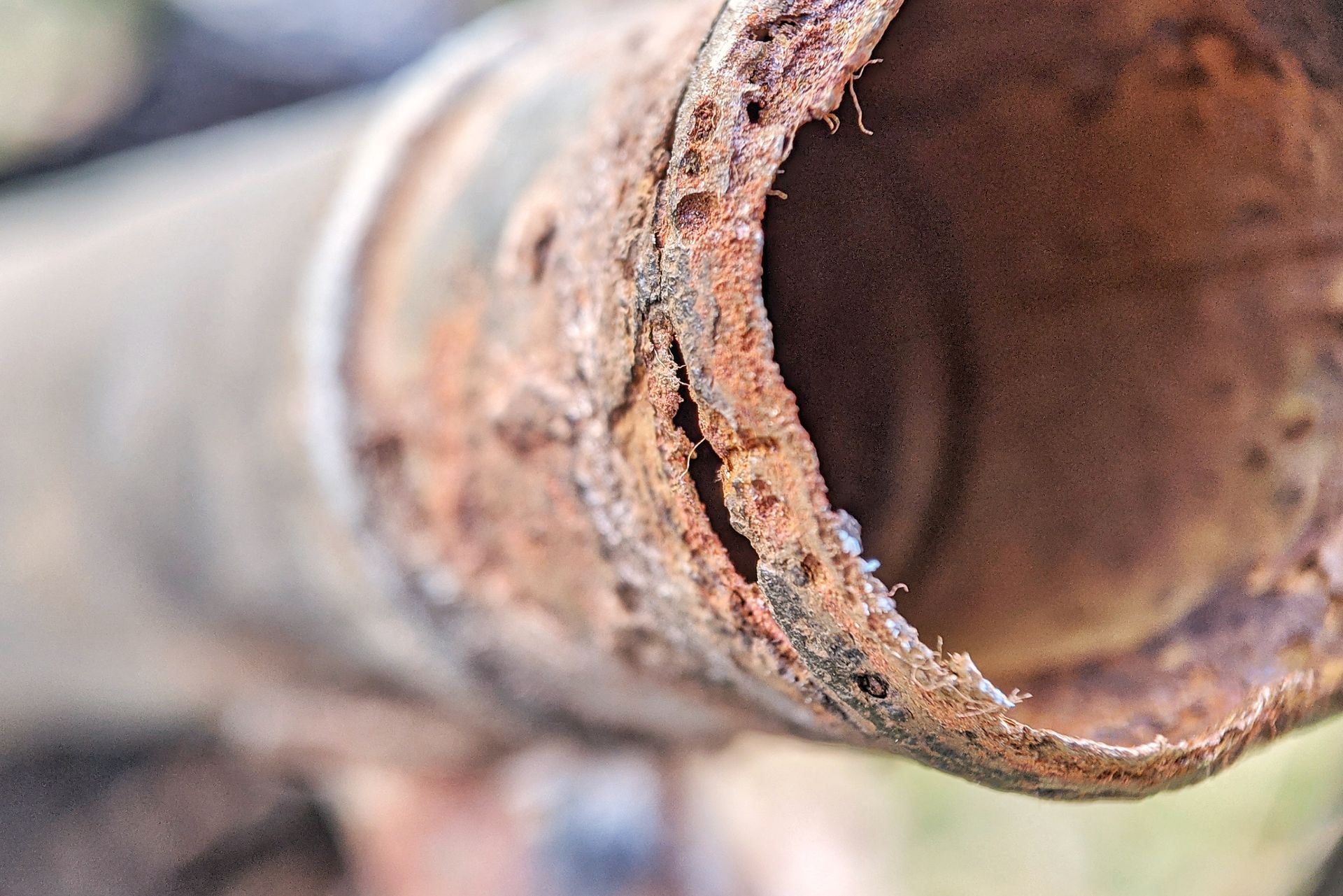
Cast iron pipes corrode from the inside out, forming layers of rust and mineral scale that narrow the pipe and create rough surfaces. These rough interiors catch debris and encourage clogs. We evaluate each pipe section with video inspection, then select the appropriate method based on blockage type and pipe condition. Flex shaft milling removes hardened scale, while hydro jetting clears grease and debris after mechanical work.
If your home was built before 1980 and you are experiencing slow drainage or repeat clogs, contact us to schedule a camera inspection and discuss whether restoration is a practical alternative to replacement.
How We Decide Which Method to Use
We begin every restoration project with a camera inspection to assess pipe condition, measure interior diameter, and identify the type and location of buildup or blockage. The footage shows whether scale has reduced flow capacity, whether roots have entered through cracks, and whether the pipe structure is sound enough for mechanical cleaning. You receive a detailed explanation of what we see and which combination of methods will address the specific problems in your system.
Our Drain and Sewer Company, LLC uses flex shaft milling to remove scale buildup that has hardened onto pipe walls, restoring the original diameter and creating a smoother interior surface. After milling, we use hydro jetting to flush out loosened debris, grease, and remaining buildup. You will notice that water drains quickly, toilets flush without hesitation, and fixtures no longer back up during heavy use.
We perform a post-service camera inspection to verify that the pipe interior is clear and flow has been restored. Restoration does not repair cracks, offsets, or severely corroded sections. If the camera reveals structural damage, we discuss spot repair or pipe lining options. We provide realistic guidance on how long restored flow will last and whether periodic maintenance will extend the life of your existing system.
Our Drain and Sewer Company Services
Price
Maintenance Mainline Sewer Cleaning from Accessible Clean-out — Yearly Scheduled Maintenance (Annual) Up to 1 Hour Labor, 125 feet Cable
$225.00
Possible Additional Charges — No Clean-out, Roof Vent, Crawl Space, or Toilet R & R
$50.00
Toilet Bowl Stoppage
$175.00
Cable Clogged Drains and Sinks — Up to 1 Hour Labor, 75 feet of Cable:
Kitchen sinks
Bathroom sinks
Bar Sinks
Floor Sinks
Utility Sinks
Bathtub
Shower
Washer Drains
Floor Drains
$175.00
Additional Cable Time per Hour
$175.00
Trailer Mount High Pressure Hydro-Jetter 2″ – 10″ Lines
Up to 2 Hours Labor, 500 Feet Hose
$475.00
Additional Hydro-Jetter Time per Hour
$250.00
Carbide Flex-shaft Milling – Cast Iron Restoration
Up to 2 Hours Labor, 120 Feet of Flex-shaft
$475.00
Camera Inspection – NASSCO Certified BSDI (Building Sewer and Drain Inspections) with
$175.00
Video on YouTube and NASSCO Report
Camera with Locate – Video on YouTube
$145.00
Additional Milling Time per Hour
$250.00
Service Charge — Up to 1/2 Hour Labor
$125.00
Trip Charge — Outside Metro Denver and Aurora
$50.00 – $100.00
Minor Plumbing per Hour
$225.00
What Homeowners Ask About Pipe Restoration
Homeowners in Denver often want to know whether restoration avoids replacement, how long results last, and what happens if pipes are too damaged.
What is the difference between restoration and pipe replacement?
Restoration cleans and restores flow in existing pipes, while replacement involves excavation and installing new pipe sections. Restoration costs less and takes less time when pipes are structurally sound but clogged or scaled.
How do you know whether to use milling or jetting on my cast iron pipes?
Camera inspection shows the type of buildup and pipe condition. Milling removes hardened rust scale, and jetting clears grease and debris. We often use both methods in sequence for complete restoration.
Will restoration work if tree roots have grown into my sewer line?
We remove roots mechanically before performing scale removal or jetting. Root intrusion indicates cracks or joints that may need repair, and we identify those issues during inspection.
How long will my pipes last after restoration?
Results depend on the extent of existing corrosion and how the system is used. Many restored cast iron pipes perform well for years, especially with periodic maintenance to prevent new buildup.
Can you restore cast iron pipes in older Denver homes without digging up the yard?
Yes, most restoration work is done from interior cleanouts or existing access points. We only recommend excavation if the camera shows collapsed sections or severe structural failure that cleaning cannot address.
If you are dealing with slow drains, repeated backups, or concerns about the condition of your cast iron plumbing, schedule an inspection with Our Drain and Sewer Company, LLC to see whether restoration can extend the life of your system and avoid costly replacement.